Tesla Robotaxi: Inside the Future of Driverless Rides
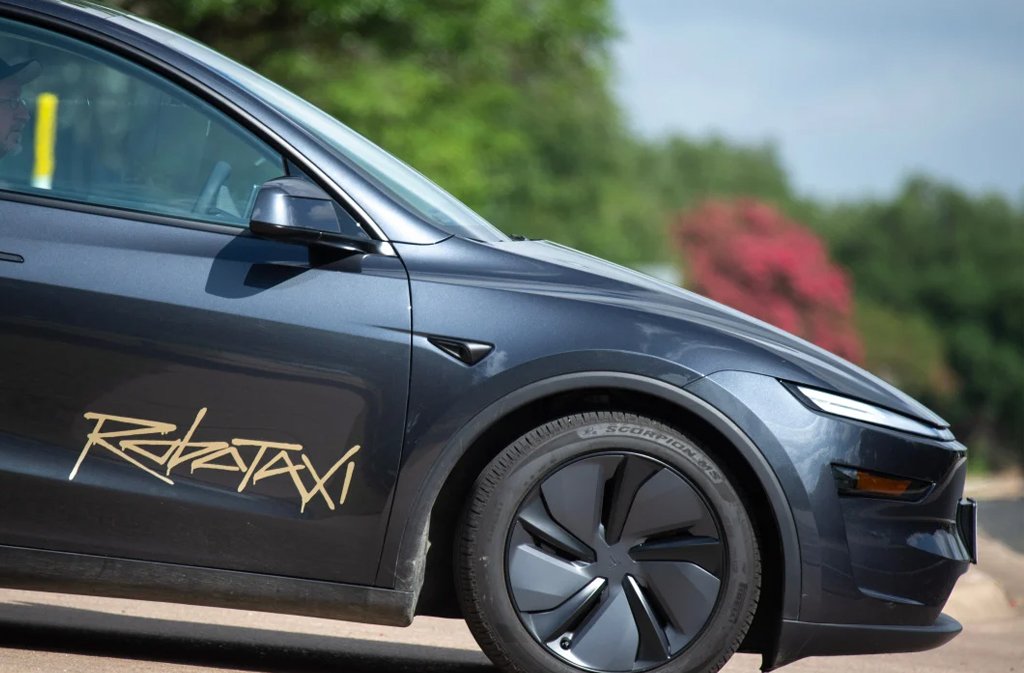
It’s strange how quickly futuristic ideas sneak into everyday conversations. Not long ago, the thought of stepping into a car with no driver felt like a movie scene. Today, people casually debate when the first Tesla Robotaxi fleet will hit their city. The shift feels fast, almost surreal — and yet oddly inevitable.
What’s fueling that curiosity? Mostly the promise of a ride that’s cheaper, safer, and available around the clock. But there’s something deeper too. Many of us want simplicity. We want transportation to feel effortless, not stressful. And that’s exactly where the Tesla Robotaxi concept strikes a nerve.
Whether you’re a tech enthusiast, a Tesla fan, or someone who just wants more convenient travel options, understanding the real potential behind Tesla’s autonomous ride-hailing system matters more than ever.
What Exactly Is the Tesla Robotaxi?
The Tesla Robotaxi is the company’s upcoming autonomous ride service powered entirely by its Full Self-Driving (FSD) technology. Instead of relying on a driver, every trip uses the vehicle’s cameras, neural network, and on-board supercomputer to navigate city streets.
In simple terms:
Open an app → summon a Tesla → car arrives → you ride → no driver needed.
Tesla plans to activate this service using vehicles already on the road, along with dedicated Robotaxi models expected to have simplified interiors optimized for autonomy.
Core features often associated with Tesla Robotaxi include:
- Driverless pick-up and drop-off
- Full Self-Driving capabilities
- Lower operating cost than Uber or Lyft
- Real-time routing and fleet coordination
- Potential income sharing for Tesla owners who opt into the network
This blend of advanced tech and practical mobility is what makes the Robotaxi conversation so compelling.
Why the Tesla Robotaxi Matters in 2025
The mobility landscape is shifting fast. Cities are becoming more crowded, fuel prices continue to fluctuate, and people crave efficient alternatives. Tesla’s autonomous network isn’t just another transportation option — it’s an entirely new category.
1. Lower Cost Transportation for Everyday People
Because a Robotaxi doesn’t require a driver, Tesla claims ride prices could drop significantly.
Imagine paying a fraction of what you’d normally spend on ride-hailing apps. For individuals commuting daily, that difference can genuinely change budgets.
2. A Big Step Toward Safer Roads
Human error causes the majority of accidents, from distracted driving to slow reaction times.
Tesla’s system doesn’t text while driving, doesn’t get tired, and calculates risks in milliseconds. While no technology is perfect, an autonomous fleet has potential to reduce collisions over time.
3. A Cleaner Urban Footprint
Since Tesla Robotaxis are entirely electric, a full fleet could reduce pollution, noise, and fuel demand across busy cities. That’s not just convenient — it’s a meaningful shift toward more sustainable transportation.
How Tesla’s Robotaxi Network Could Work
Tesla’s Robotaxi service revolves around two key components:
A. The Tesla Network App
Users would request rides through an app similar to current ride-sharing platforms. The difference is the absence of a human driver. Pricing, routes, waiting times, and vehicle assignment would be handled by Tesla’s automation and fleet management system.
B. A Fleet Made of Existing and Dedicated Vehicles
Tesla owners who enable Full Self-Driving could allow their cars to operate as Robotaxis while they’re not using them.
Imagine your car earning money for you while you’re at work, asleep, or traveling.
Alongside privately owned vehicles, Tesla is expected to roll out dedicated Robotaxi units designed for efficiency. Some concepts hint at:
- sliding doors
- simplified interiors
- extra passenger space
- no steering wheel
This dual-supply model is part of what could allow Tesla to scale quickly.
Real-World Example: A Day Using Tesla Robotaxi
Picture this:
You wake up late. Your morning meeting starts in 20 minutes.
Instead of stressing over parking or traffic, you summon a Robotaxi. It arrives quietly in front of your home. You step in, sip coffee, check emails, and step out exactly at your destination. No conversation. No tipping. No waiting for a driver to finish another ride.
Later that evening, a sudden rainstorm hits. You tap your app again, and another autonomous Tesla shows up in under five minutes. The cost? Less than what you’d pay for traditional ride-hailing.
This scenario isn’t unrealistic — it’s exactly the convenience Tesla aims to deliver.
How Tesla Robotaxi Could Impact Car Ownership
One of the biggest industry debates revolves around how Robotaxis may influence car buying behavior.
Potential shifts include:
- Fewer young people buying cars due to easier, cheaper alternatives
- Small families choosing one car instead of two
- Tesla owners sharing their vehicle to offset monthly costs
- Ride-sharing replacing short-distance public transport
If Robotaxis become mainstream, the idea of owning a car purely for commuting might feel outdated.
Challenges Tesla Still Needs to Overcome
Ambition doesn’t eliminate obstacles. Tesla faces real challenges before the Robotaxi model becomes widespread:
1. Regulatory Approval
Every city and country sets its own rules for autonomous vehicles. Tesla needs legal clearance, safety validation, and city-specific permissions.
2. Public Trust
People need to feel safe riding without a driver. Trust takes time, demonstrations, and real-world data.
3. Infrastructure Compatibility
Urban areas differ. Tight roads, unpredictable traffic patterns, and extreme weather all influence autonomous performance.
4. Consistent FSD Reliability
Tesla must ensure its Full Self-Driving technology consistently handles millions of unique edge cases.
Even with these challenges, the momentum behind autonomy continues to grow.
Is the Tesla Robotaxi Really the Future?
It certainly feels like a major step toward a new transportation model. While no one can predict the exact timeline, the direction is clear: autonomous ride services are coming, and Tesla sits at the center of that transition.
If the Robotaxi system delivers on its promises — lower cost, safer travel, and cleaner mobility — it could reshape how cities move, how people commute, and how car ownership is defined.
And honestly? It’s exciting to imagine a world where traffic feels less chaotic, transportation becomes more accessible, and the stress of daily driving slowly fades away.
Conclusion
The Tesla Robotaxi isn’t just a new product — it’s a turning point for modern mobility. By blending autonomy, electrification, and a new vision for ride-sharing, Tesla is pushing transportation toward a future that feels smoother, smarter, and more accessible.
Whether we see full fleets in 2025 or a few years later, one thing feels undeniable: the era of the autonomous ride is closer than ever, and Tesla is leading the charge.
FAQ
What is the Tesla Robotaxi?
A fully autonomous ride-hailing service powered by Tesla’s Full Self-Driving technology, offering driverless rides through a dedicated app.
When will the Tesla Robotaxi launch?
Tesla has shared targets, but exact dates vary by region. Launch depends on technological readiness and regulatory approvals.
Will Robotaxi rides be cheaper than Uber or Lyft?
Tesla suggests they could be significantly cheaper due to the absence of a human driver and lower operating costs.
Can Tesla owners earn money with Robotaxi?
Yes, owners with FSD-enabled vehicles may be able to add their cars to the Tesla Network and earn income while not using them.
Do Tesla Robotaxis require steering wheels?
Future dedicated models may remove traditional controls completely, focusing on spacious, autonomous-first interiors.
For more, read: Ap New








Post Comment