Understanding Media Convergence Server and Its Role in Modern Communication
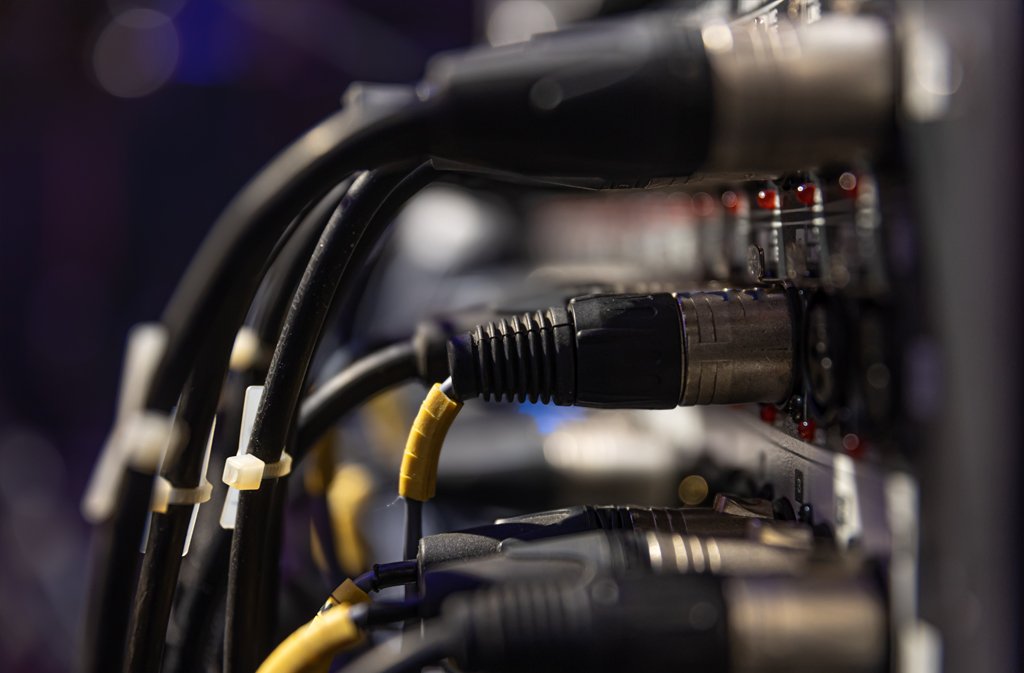
A media convergence server is a technology that combines different types of media—like video, audio, and text—into one unified system. In simple words, it helps manage, store, and deliver media content from one place. Because of this, it plays a major role in making communication faster and smoother.
Today, many industries depend on such servers to share news, stream videos, and connect with audiences across multiple platforms. As technology keeps improving, these systems are becoming more powerful and easier to use, helping both large companies and small content creators work more efficiently.
How Does a Media Convergence Server Work?
A media convergence server works as a central hub for collecting and managing different kinds of media. It takes data from various sources, processes it, and makes it available for use on multiple devices and platforms. For example, a single video can be uploaded once and then shared on a website, mobile app, and TV network.
This process happens quickly because the server is designed to handle different formats at the same time. As a result, people can access media without long delays. It also allows organizations to save space, reduce costs, and simplify their operations while maintaining high-quality content delivery.
The Importance of Media Convergence in Today’s World
In today’s digital world, everything is connected. News channels, social media, and streaming services all rely on shared systems. A media convergence server supports this by linking traditional media with modern digital tools. This helps users receive the same message through TV, smartphones, or online platforms without losing quality.
Furthermore, convergence technology brings efficiency. Instead of managing separate systems for audio, video, and text, everything runs together. This not only saves time but also encourages collaboration between different departments, improving overall productivity.
Benefits of Using a Media Convergence Server
One major advantage of using this type of server is speed. It helps distribute large files quickly across networks, ensuring audiences receive content instantly. Another benefit is flexibility, as it allows users to handle various media types in one place.
Moreover, it ensures consistency in communication. Whether a company posts a video ad or a news update, the message remains the same across all platforms. This creates a unified brand voice and strengthens audience trust. In addition, maintenance becomes easier since everything is managed from a single server rather than multiple systems.
Challenges of Media Convergence Technology
Even though the system offers many advantages, it also faces some challenges. One key issue is data security. Since all media content is stored in one central place, it can become a target for hackers if not properly protected. Therefore, companies must invest in strong security systems to keep their data safe.
Another challenge involves high initial costs. Setting up a media convergence system requires technical knowledge and modern hardware. However, once installed, it saves money over time by reducing separate media management expenses. Thus, while the startup cost may seem high, the long-term value makes it worthwhile.
Future of Media Convergence Servers
The future looks promising for media convergence systems. As new technologies like artificial intelligence and cloud computing continue to grow, these servers will become smarter and faster. They will soon handle even more complex media formats and make sharing content almost instant.
Additionally, industries like education, entertainment, and journalism are expected to rely more on such systems. By connecting different forms of media seamlessly, they will make learning, entertainment, and information sharing more effective than ever before.
Conclusion
In short, a media convergence server has changed the way information and entertainment are shared. It combines traditional and digital media into one system, improving speed, quality, and reliability. While it comes with some challenges, the benefits far outweigh them. As technology continues to evolve, these servers will keep shaping the future of global communication.
FAQs
1. What does a media convergence server do?
It collects, stores, and delivers different types of media—like videos, audio, and text—through a single platform, making it easier to share and manage content.
2. Why is media convergence important?
It helps combine different communication tools, allowing people to receive consistent and faster information across multiple platforms.
3. Is it expensive to install a media convergence server?
The setup can be costly at first, but it saves money in the long run by reducing the need for separate systems.
4. Who uses media convergence servers?
They are used by broadcasters, online media companies, schools, and even businesses that need to share multimedia content efficiently.
5. What is the future of media convergence technology?
With advancements in AI and cloud technology, the future will bring faster, more secure, and more intelligent systems for global communication.
For more, read: Ap New






Post Comment