Productivity Tools: A Simple Guide to Getting More Done Every Day
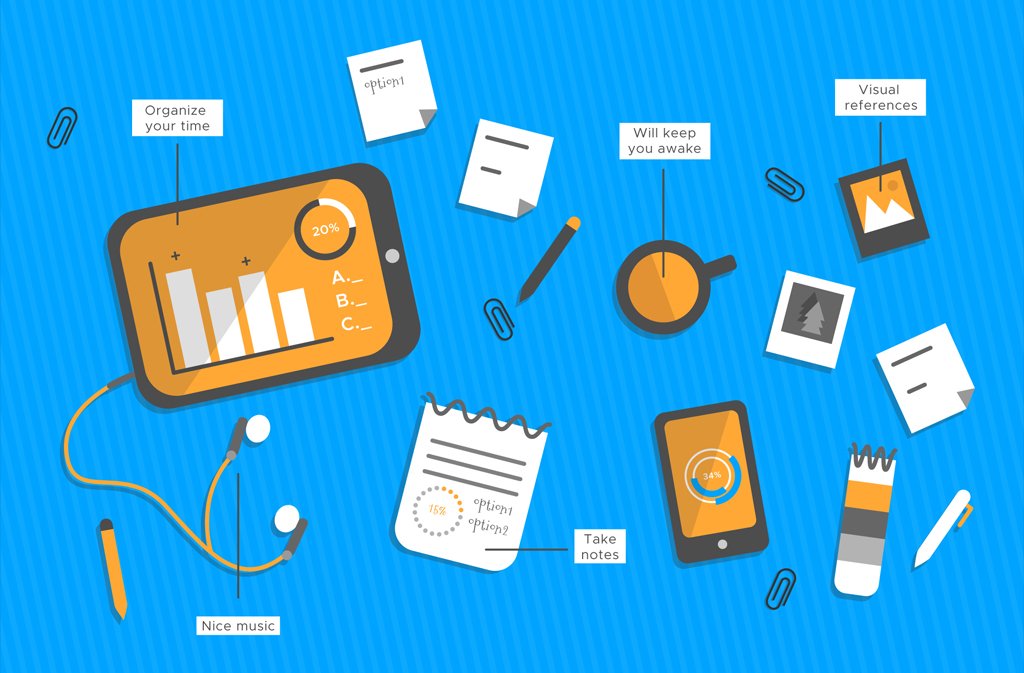
Productivity tools are becoming a part of everyone’s daily life. Whether you are a student, an employee, or a business owner, these tools help you save time and work smarter. Instead of doing everything manually, they give you shortcuts and structure that make tasks easier.
In this guide, we will explore the meaning of productivity tools, how they work, and why they matter so much. You will also learn about different types of tools, along with simple examples you can use right away. By the end, you will see how these tools can change your daily routine for the better.
What Are Productivity Tools?
When people talk about productivity tools, they usually mean apps, software, or systems that make work faster and more organized. For example, calendars, note-taking apps, and project management platforms all fall under this category. These tools don’t just save time; they also reduce stress by keeping everything in one place.
In addition, productivity tools are not limited to the office. Students use them for assignments, families use them to plan schedules, and freelancers use them to manage clients. Therefore, they are useful in nearly every part of life.
Why Are Productivity Tools Important?
One of the main reasons productivity tools are important is that they help you focus. With so many distractions, it’s easy to forget deadlines or lose track of tasks. However, these tools remind you of what needs to be done and keep you on schedule.
Furthermore, they improve efficiency. Instead of writing everything on paper or trying to remember tasks in your head, productivity tools store information safely. As a result, you avoid mistakes and gain extra time to work on more meaningful tasks.
Types of Productivity Tools
Task Management Tools
Task management tools help people organize their to-do lists. With these apps, you can create tasks, set deadlines, and check them off once completed. This makes it easier to see what’s urgent and what can wait.
Moreover, many of these apps sync across devices. This means you can add a task on your phone and later check it on your laptop. Because of this, your workflow becomes smoother and less stressful.
Time Management Tools
Time management is another key area where productivity tools shine. Apps like digital timers or calendars allow you to divide your day into smaller parts. By doing so, you can balance work, study, and rest without wasting energy.
Additionally, some time management tools use reminders and alarms. These features keep you alert and prevent you from losing track of time, especially during busy days.
Popular Examples of Productivity Tools
Note-Taking Apps
Note-taking apps are very common productivity tools. They allow you to write ideas, make lists, and even save pictures or voice notes. Because everything is digital, you can find your notes easily without flipping through notebooks.
Also, these apps usually come with cloud storage. This means your notes are safe even if you lose your device, which makes them more reliable than paper.
Collaboration Platforms
Collaboration platforms are also popular productivity tools. These tools let teams share files, chat, and work on projects together in real time. As a result, teamwork becomes faster and more effective.
In addition, collaboration tools remove the need for endless emails. Instead of waiting for replies, teams can see updates instantly, which helps everyone stay on track.
Benefits of Using Productivity Tools
The first benefit of using productivity tools is saving time. Simple actions like auto-reminders, quick notes, and organized task lists help you finish work faster. Therefore, you spend less time worrying and more time doing.
Another benefit is reduced stress. When everything is organized in one place, your mind feels lighter. This mental clarity allows you to focus better and avoid burnout.
Challenges of Productivity Tools
Even though productivity tools are helpful, some challenges exist. One issue is overuse. Sometimes people try too many apps at once, which can become overwhelming. Instead of saving time, they end up wasting it learning different systems.
Another challenge is dependence. Relying too much on tools might reduce problem-solving skills. However, when used wisely, they serve as support rather than a replacement for your abilities.
Productivity Tools for Students
Students benefit greatly from productivity tools. For instance, planners and calendar apps help them organize homework and exams. With reminders, they avoid missing deadlines and feel more prepared.
Additionally, note-taking and flashcard apps make studying easier. Instead of carrying heavy books, students can review lessons quickly on their phones. As a result, learning becomes more flexible and fun.
Productivity Tools for Businesses
Businesses rely on productivity tools for growth. Project management platforms allow teams to track progress, assign tasks, and monitor deadlines. This avoids confusion and improves communication.
Moreover, businesses use time-tracking apps to measure efficiency. By checking how time is spent, managers can reduce waste and improve results. This is why productivity tools are now considered essential in modern workplaces.
How to Choose the Right Productivity Tools
Choosing the right productivity tools depends on your needs. If you want to manage personal tasks, a simple to-do list app might be enough. However, if you work with a team, a collaboration platform could be the better choice.
At the same time, you should test a few options. Many apps offer free versions, so you can try them before deciding. By doing this, you avoid wasting money on tools that don’t suit your style.
The Future of Productivity Tools
The future of productivity tools looks bright. With artificial intelligence, apps will become smarter and more personalized. For example, they may suggest schedules based on your habits or even write reports for you.
Also, integration will improve. Instead of using separate tools, people will have platforms that combine calendars, tasks, notes, and communication all in one place. This will make productivity even more effortless.
Final Thoughts
To sum up, productivity tools are powerful helpers for daily life. They organize tasks, save time, and reduce stress. Whether you are a student, an employee, or a business owner, these tools can make your work easier.
By choosing the right ones and using them wisely, you can improve focus and achieve goals faster. Therefore, productivity tools are not just apps or systems—they are keys to living a smarter and more balanced life.
Frequently Asked Questions (FAQs)
1. What are productivity tools?
Productivity tools are apps, software, or systems that help people save time, stay organized, and work more efficiently.
2. Why should I use productivity tools?
They help you manage tasks, reduce stress, and focus on what’s important. As a result, your work becomes faster and easier.
3. Can students use productivity tools?
Yes. Students can use them to organize homework, track deadlines, and study more effectively with note-taking or flashcard apps.
4. Are productivity tools only for businesses?
No. While businesses use them for teamwork, anyone can benefit. Families, freelancers, and even kids use them to stay organized.
5. What are some popular productivity tools?
Popular examples include task managers, calendar apps, note-taking apps, and team collaboration platforms.
More Read: Discog Meaning: A Beginner’s Guide to Music Collections and Discographies









Post Comment