How to Clean a Mouthguard – Simple and Effective Cleaning Tips for Daily Care
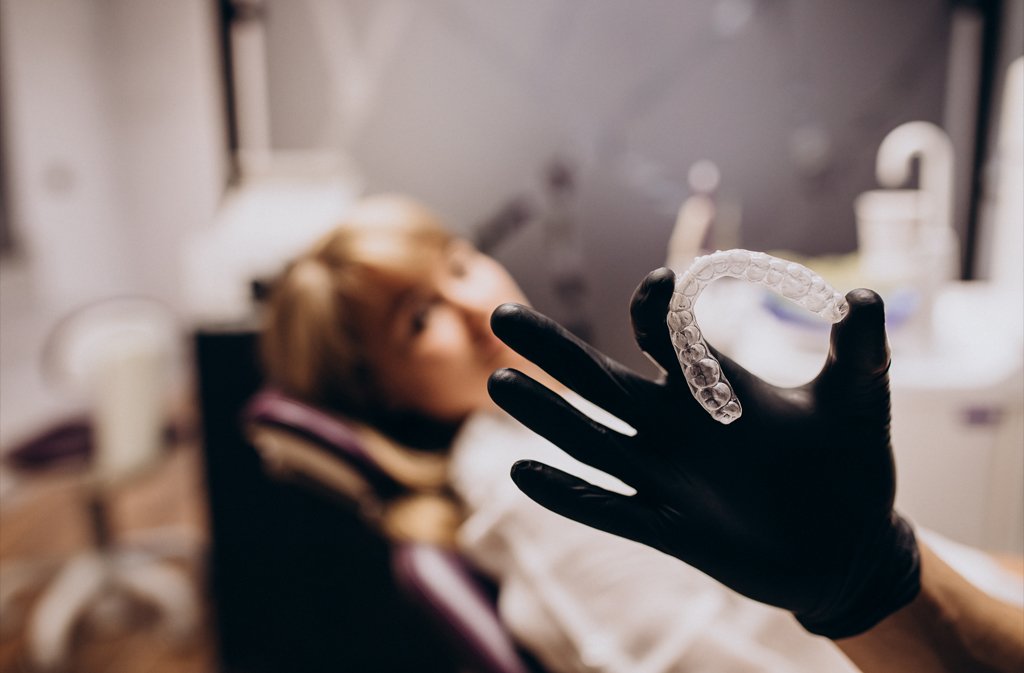
Learning how to clean a mouthguard is important if you use one regularly for sports, teeth grinding, or dental treatment. Mouthguards protect your teeth, but they also collect bacteria, plaque, and saliva. Without proper cleaning, they can start to smell, taste bad, and even cause infections.
In this guide, you’ll discover simple and safe ways to keep your mouthguard fresh and clean every day. You don’t need expensive products — just a few minutes and some household items will do the job well.
Table of Contents
ToggleWhy It’s Important to Know How to Clean a Mouthguard
Understanding how to clean a mouthguard properly helps protect both your teeth and your health. When you wear it for long hours, bacteria and debris build up on its surface. This can lead to mouth irritation, gum problems, or even bad breath if left uncleaned.
Moreover, a clean mouthguard lasts longer and stays in better shape. If you take care of it daily, it won’t crack or lose its fit as quickly. In short, regular cleaning is a simple habit that saves you time, money, and discomfort later on.
Step-by-Step Guide on How to Clean a Mouthguard
Knowing how to clean a mouthguard is easier than it sounds. You can follow a few basic steps to keep it safe for everyday use. First, rinse it right after taking it out of your mouth. This removes saliva and loose debris. After that, brush it gently using a soft toothbrush and mild soap or toothpaste.
Next, rinse it again thoroughly with cool water. Avoid using hot water since it can change the shape of your mouthguard. Finally, let it air dry completely before placing it in its storage case. This prevents moisture from causing bacteria growth.
Deep Cleaning Tips for Extra Freshness
Even if you clean your mouthguard daily, giving it a deeper clean once a week keeps it extra fresh. You can soak it in a mix of cool water and a gentle cleaning solution, like mouthwash diluted with water. Leave it for about ten minutes, then rinse it thoroughly.
Another great option is using a denture cleaning tablet. Simply drop one into a glass of water, add your mouthguard, and let it soak. This removes deep-seated stains and odor, helping it stay clear and hygienic. Just remember to rinse it well before using it again.
How to Clean a Mouthguard After Sports or Night Use
If you use your mouthguard for sports, it can get extra dirty due to sweat and dirt. In that case, rinse it immediately after use and follow your daily cleaning routine. Keeping it in a clean, dry case also helps prevent germs.
For people who wear mouthguards at night to prevent teeth grinding, morning cleaning is key. Always brush and rinse it before storing it. Consistent care helps you wake up with a fresh and healthy mouth every day.
Mistakes to Avoid When Learning How to Clean a Mouthguard
When learning how to clean a mouthguard, some common mistakes can ruin it. One major error is using hot water, which can warp the material. Another is scrubbing too hard with a stiff brush, which can cause small cracks where bacteria hide.
Also, never use bleach or harsh chemicals. They might disinfect the surface, but they can also damage your mouthguard or irritate your mouth. Gentle cleaning always works best and keeps the mouthguard safe to use long-term.
How to Store a Mouthguard Properly
After cleaning, storage plays an important role in keeping your mouthguard hygienic. Always dry it completely before putting it in a ventilated case. A wet mouthguard inside a closed box can quickly grow mold and bacteria.
Try to clean the case once a week too. Wiping it with a damp cloth and mild soap is enough. Keeping both your mouthguard and its case clean ensures that every time you use it, it’s safe and comfortable.
When to Replace Your Mouthguard
Even with proper cleaning, a mouthguard doesn’t last forever. Over time, it can lose its shape or develop small cracks that trap bacteria. If it feels loose, rough, or smells bad even after cleaning, it might be time for a replacement.
Dentists often recommend replacing a mouthguard every 6 to 12 months, depending on how often it’s used. Regular checks will help you decide when it’s no longer effective or comfortable to wear.
The Health Benefits of Keeping Your Mouthguard Clean
A clean mouthguard not only protects your teeth but also keeps your gums healthy. It prevents bacteria buildup that can lead to mouth sores or bad breath. Additionally, it helps avoid illnesses that come from using dirty dental gear.
Good hygiene also gives you confidence when wearing your mouthguard. You’ll notice it smells fresh, feels smoother, and fits comfortably. With a few minutes of daily cleaning, you can enjoy all these benefits effortlessly.
Final Thoughts
Knowing how to clean a mouthguard is an easy but essential habit for keeping your mouth healthy. With regular cleaning and careful storage, you can extend its life and prevent unwanted bacteria buildup.
Taking a few minutes daily to rinse, brush, and dry your mouthguard ensures it stays fresh, durable, and safe for every use. Good hygiene doesn’t just protect your teeth — it also gives you peace of mind every time you wear your mouthguard.
FAQs
1. How often should I clean my mouthguard?
You should clean your mouthguard after every use. Rinsing and brushing it daily helps keep it fresh and safe for your mouth.
2. Can I use toothpaste to clean my mouthguard?
Yes, you can use a mild toothpaste with a soft toothbrush. Avoid whitening pastes, as they may scratch the surface.
3. What’s the best way to disinfect a mouthguard?
Soaking it in a mix of water and mouthwash or using denture tablets once a week helps disinfect and refresh it.
4. Should I use hot water to clean my mouthguard?
No, always use cool or lukewarm water. Hot water can warp and damage your mouthguard’s shape.
5. How can I tell when to replace my mouthguard?
Replace it when it feels uncomfortable, smells bad even after cleaning, or shows cracks and wear.
For more, read: Ap New









Post Comment