Žižole Fruit Guide: Everything You Need to Know About This Nutritious and Tasty Fruit
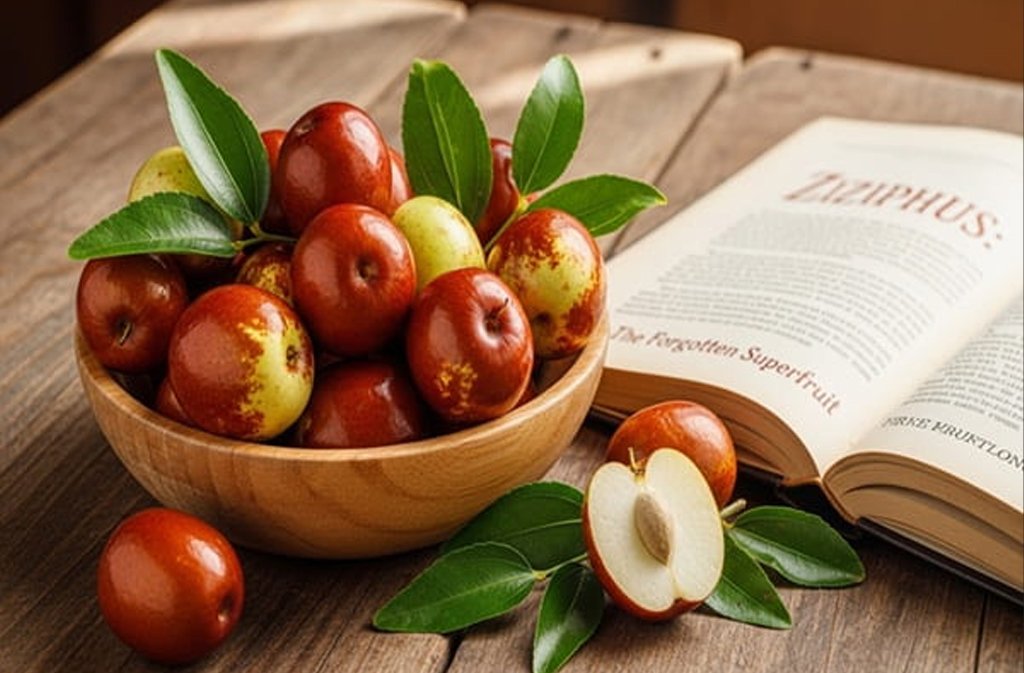
Žižole, also known as the jujube fruit, is a small, sweet, and nutritious fruit that has been enjoyed for centuries. It comes from a tree often found in warm regions and is known for its shiny, brownish skin and soft, rich taste. Many people eat žižole fresh, while others dry it to make a chewy, date-like snack.
What makes žižole special is its unique flavor and impressive health benefits. It is rich in vitamins, minerals, and natural antioxidants that help the body stay healthy. Because of its growing popularity, žižole is now being used in juices, teas, and even natural medicine.
Origin and History of Žižole
The history of žižole goes back thousands of years. It originally grew in parts of Asia and the Mediterranean, where people valued it for both its flavor and healing properties. In ancient times, it was often given as a gift or used as a natural remedy for tiredness and stress.
Over time, žižole spread to other regions because it is easy to grow and highly adaptable to different climates. Today, it can be found in many countries, and it continues to be a favorite among people who prefer natural and healthy food options.
Health Benefits of Žižole
One of the main reasons why žižole is loved around the world is because of its impressive health benefits. It contains a wide range of vitamins, especially vitamin C, which helps strengthen the immune system and fight off illnesses. Eating žižole regularly can also support healthy skin and improve digestion.
In addition, the fruit is known for its calming properties. Many people believe that žižole can help reduce stress, improve sleep, and boost overall energy levels. Because it is low in calories and high in fiber, it also makes an excellent snack for anyone trying to maintain a balanced diet.
How to Eat Žižole
Žižole can be enjoyed in several different ways. The most common method is eating it fresh. The fruit is crisp when picked early and becomes softer and sweeter as it ripens. It can also be dried, giving it a texture similar to dates. Dried žižole is often used in desserts, teas, or as a healthy snack.
Moreover, you can use žižole in cooking. Some people add it to salads, jams, or baked goods for extra flavor. Because of its natural sweetness, it can replace sugar in some recipes, making meals both delicious and nutritious.
Growing Žižole at Home
If you love gardening, growing žižole at home can be very rewarding. The tree is hardy and does not need much care once it is established. It can grow in dry or slightly salty soil and thrives in sunny spots. With proper watering and trimming, the tree can produce plenty of fruit each year.
Furthermore, žižole trees are beautiful to look at. Their small green leaves and shiny fruits make them a pleasant addition to any garden. Many people plant them not only for the fruit but also for the beauty they add to their surroundings.
Why Žižole Is Becoming Popular
In recent years, žižole has become more popular because people are paying more attention to natural and healthy foods. As more individuals move toward organic eating, žižole stands out as a perfect example of a natural superfood that is both tasty and beneficial.
Another reason for its popularity is its versatility. Since it can be eaten fresh, dried, or cooked, žižole fits well into any diet. Whether you enjoy it as a snack or use it as a natural sweetener, it always brings a touch of nature’s goodness to your plate.
Nutritional Value of Žižole
The nutritional content of žižole makes it an excellent choice for anyone looking to eat healthier. It is rich in vitamin C, potassium, and fiber, all of which support the body’s daily functions. It also contains antioxidants that help fight cell damage and keep the skin looking youthful.
Because it’s naturally low in fat and sugar, žižole is suitable for people watching their weight or trying to reduce processed foods. Regularly adding it to your diet can help you maintain good health without sacrificing taste.
Conclusion
In conclusion, žižole is a remarkable fruit that combines flavor, nutrition, and tradition. From its ancient history to its modern use, it continues to be loved by people around the world. With its natural sweetness and health-promoting qualities, žižole is more than just a fruit — it’s a complete wellness food.
Whether you enjoy it fresh, dried, or in your favorite recipes, adding žižole to your diet can be a delicious and healthy choice. As awareness of this amazing fruit continues to grow, more people are discovering its value and making it a regular part of their daily nutrition.
FAQs
1. What is žižole?
Žižole is a small, sweet fruit also known as jujube. It is popular for its taste, nutrition, and health benefits.
2. How do you eat žižole?
You can eat it fresh, dried, or cooked. Many people enjoy it raw as a snack or use it in teas and desserts.
3. Is žižole healthy?
Yes, it is very healthy. It contains vitamin C, antioxidants, and fiber that support the immune system and digestion.
4. Can I grow žižole at home?
Yes, the tree is easy to grow in warm, sunny places. It does not require much water or care once it is mature.
5. Why is žižole becoming popular?
People are becoming more interested in natural and nutritious foods, and žižole offers both great taste and strong health benefits.
Visit our website: Ap New









Post Comment